An operator of a campsite, ecolodge or tourist estate comparing two compact accommodation units at the same price isn't only comparing square metres: they are also comparing what each architecture lets a guest see, and therefore sell. That question, architecture as a lever of perceived value, is what this article covers, deliberately kept separate from the question of profitability, which is covered in our article on installing tiny houses on a campsite.
Understanding the topic
The 'perceived value' of a tourist accommodation unit refers to what its architecture makes someone willing to pay for before they have even spent a night there: the photo that prompts a booking, the volume that surprises on arrival, the materials that reassure about stay quality. It is a matter of perception, not a measured financial figure: it explains why a stay attracts attention or stands out, it does not guarantee a specific level of return.
What architecture concretely changes can be read on three levels: volumes (a recognisable shape creates an immediate visual landmark on a site), materials (wood, steel, large glazed surfaces, which shape the perceived image of quality), and visible finishes (ceiling height, openings, integration with the landscape). At NÖMA, the Resort Collection applies this principle across several of its models, each with a different architectural approach rather than a uniform variation on one shape.
Deep exploration
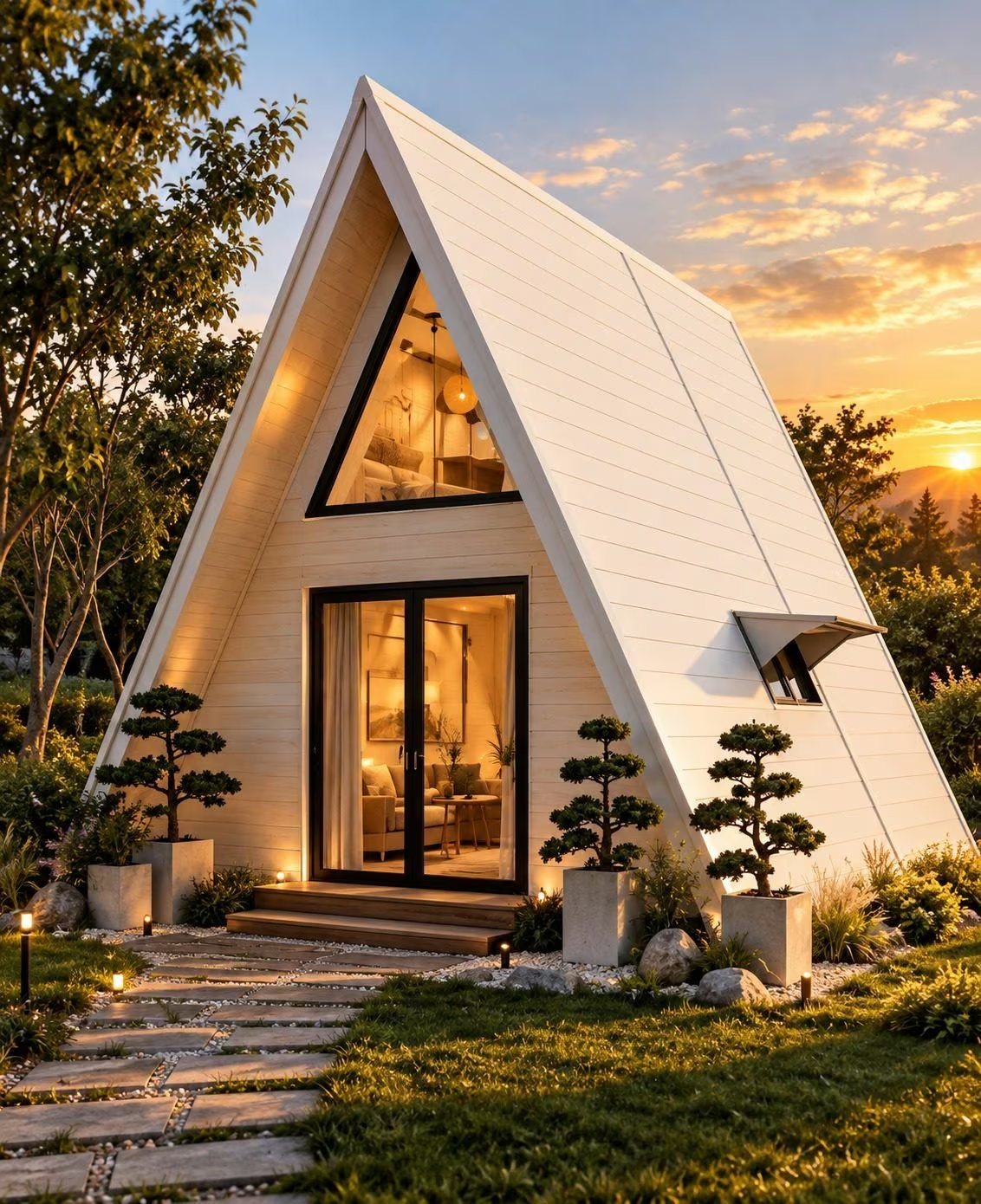
The NÖMA Frame model is the only model exclusive to the Resort Collection. What is documented: a 30 sqm surface area, dimensions of 6 x 5 x 6.5 m, an interior volume of 33 cubic metres, an instantly recognisable A-frame design, high ceilings and openings designed for a connection with the landscape, built from prefabricated modules. Its documented starting price is €44,000. Frame is listed under the invest and rental investment uses, not the residential use: unlike other NÖMA models, its habitability equipment (electricity, plumbing, fitted kitchen, fitted bathroom) is not publicly documented to date, and this article does not claim otherwise.
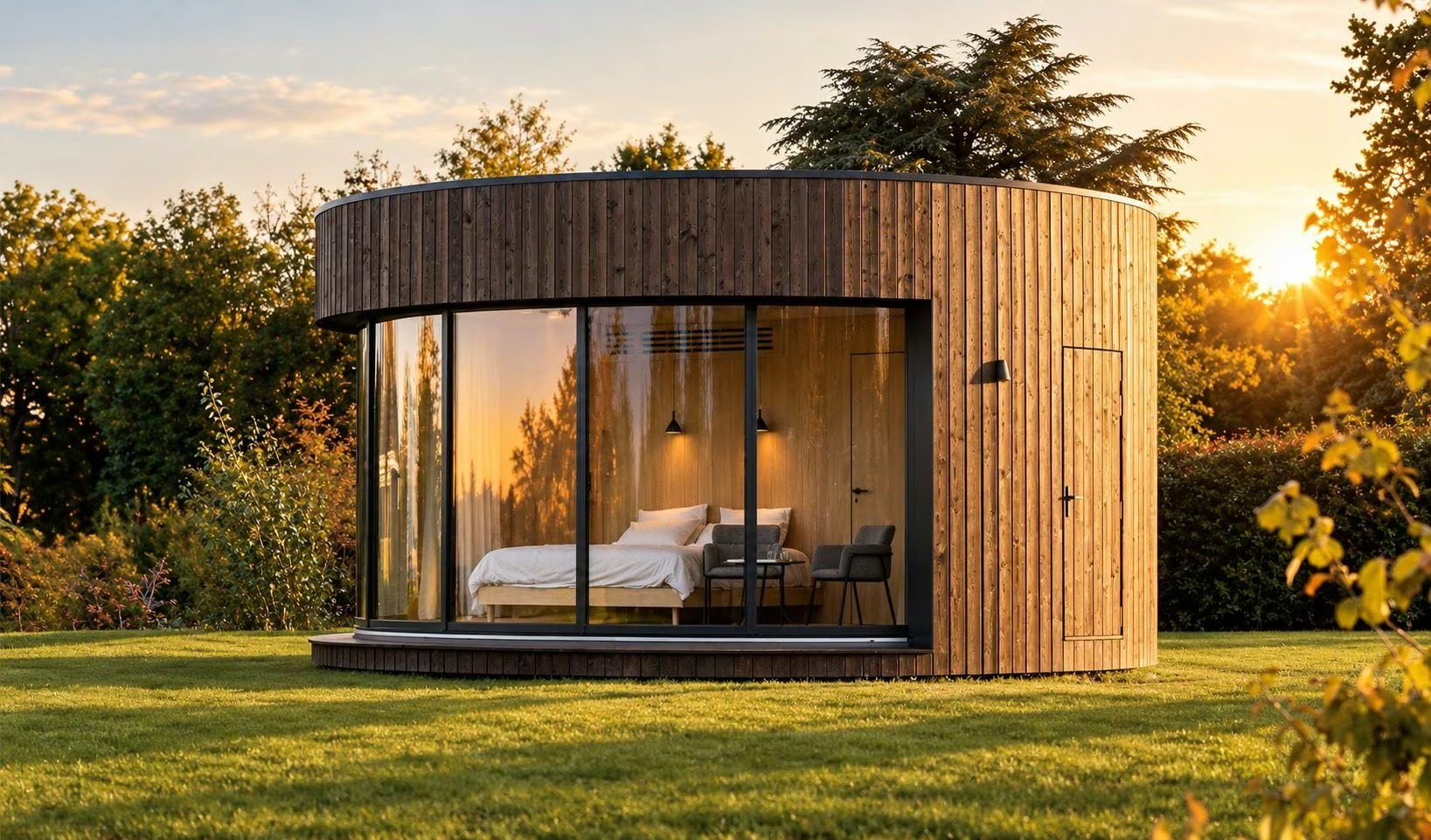
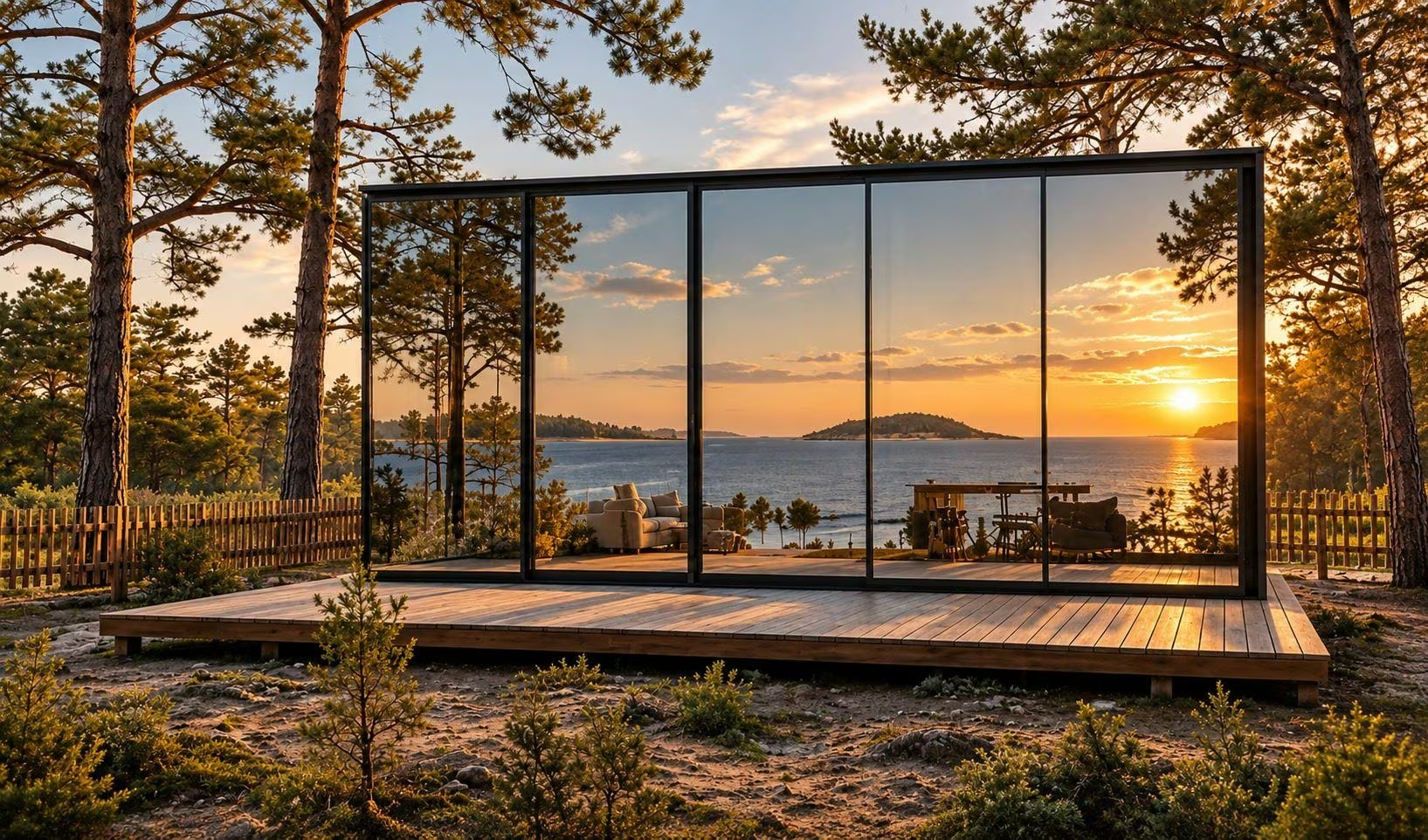
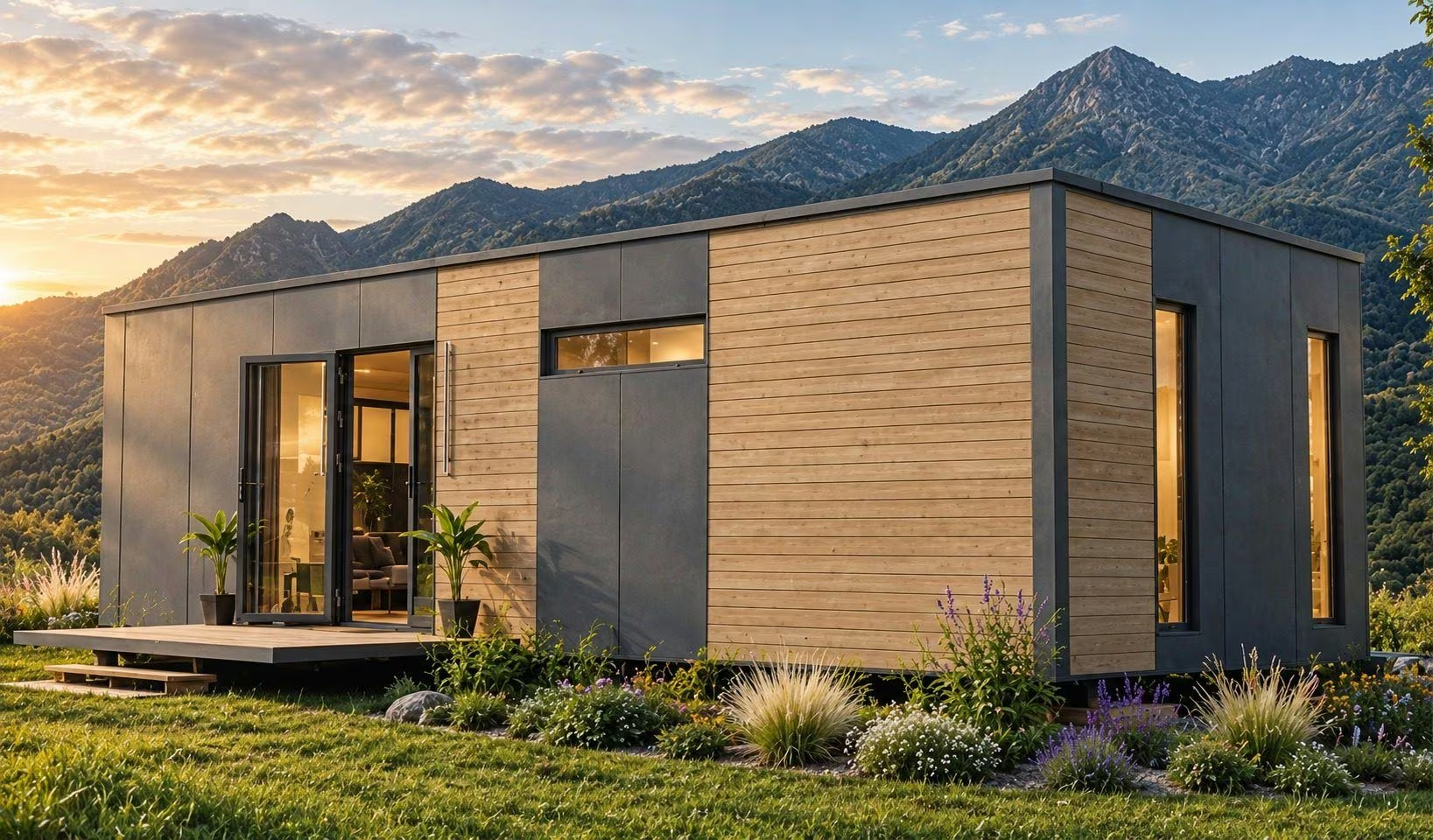
Seven other NÖMA models, originally designed for residential living (Glass, Span, Pod, Level, Block, Vista and Scope), are also offered to operators within the Resort Collection, presented for hospitality use. The architectural approaches they illustrate vary deliberately: fully glazed façades for Glass, a circular shape for Pod, a two-storey configuration for Level and Block, wide panoramic openings for Vista and Scope. This is a positioning choice specific to NÖMA, presented as such, not a claim about the compared performance of each architecture.
Perceived value is not profitability. Our article on investing in rental accommodation details the criteria that actually determine a project's viability: location, demand seasonality, operating costs and local regulation. Architectural appeal appears there as one factor among several, not as the single variable that, on its own, explains a financial outcome. A distinctive stay can support a more favourable price positioning; it does not replace a profitability assessment specific to each site.
Practical guidance
It is worth being transparent about what is not documented: NÖMA does not currently publish any occupancy rate, rental yield or costed case study for its Resort Collection accommodations. What precedes in this article describes real architectural characteristics and a positioning principle; it should not be read as a promise of commercial results for any given project, which depends on the site, its operation and the local market.
For an operator considering how to differentiate their accommodation offer, the right question is therefore not 'which architecture earns the most?' but 'which architecture matches the image I want to give my site, with which actually documented characteristics?'. The NÖMA Resort Collection brings together, with Frame and seven other models, several architectural answers to that question.
Architectural perspective
At NÖMA, we believe a tourist accommodation's architecture should never be treated as mere styling: it gives a site its visual identity before operations even begin. This is a brand point of view, not a universal law of outdoor hospitality.