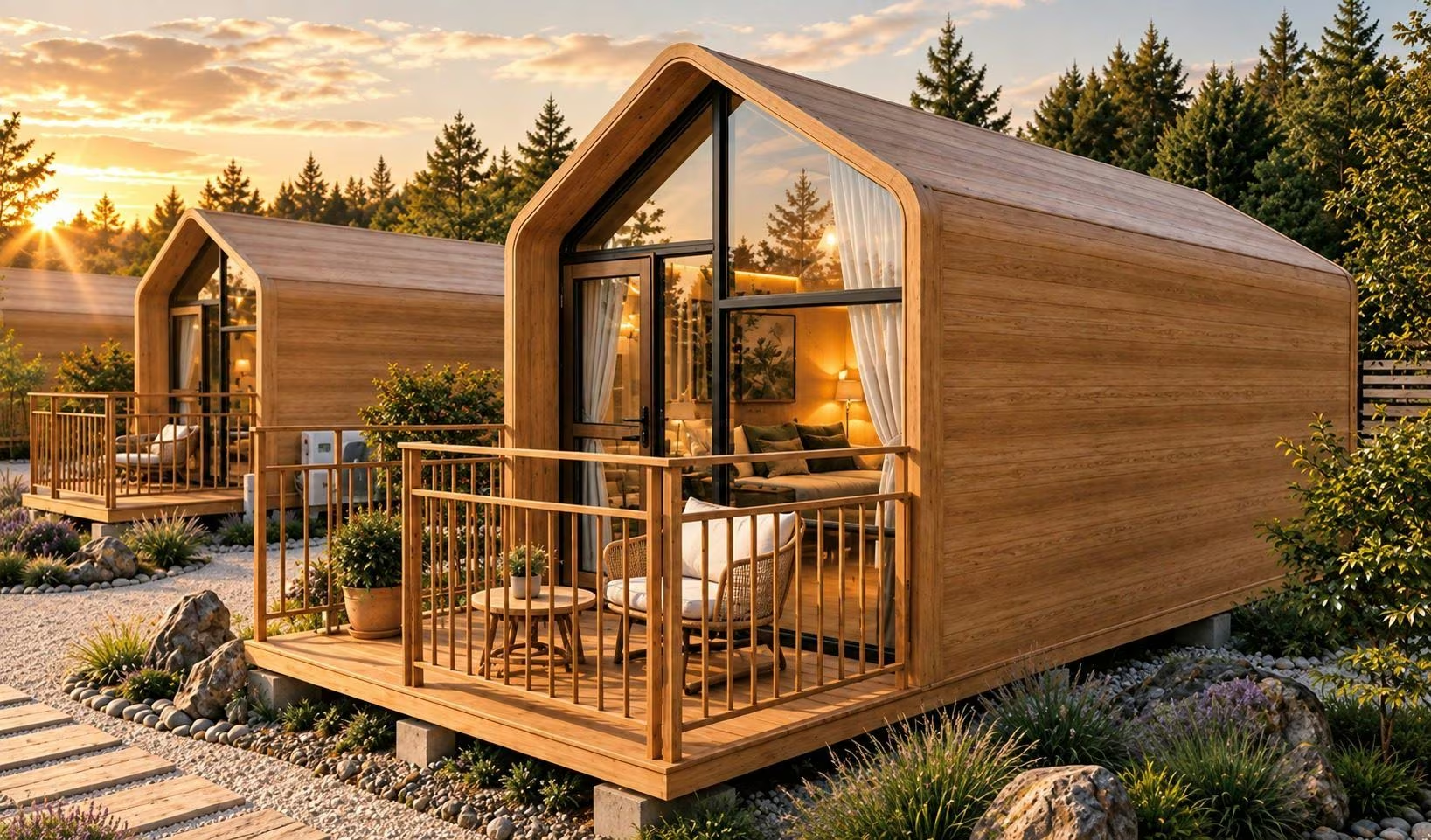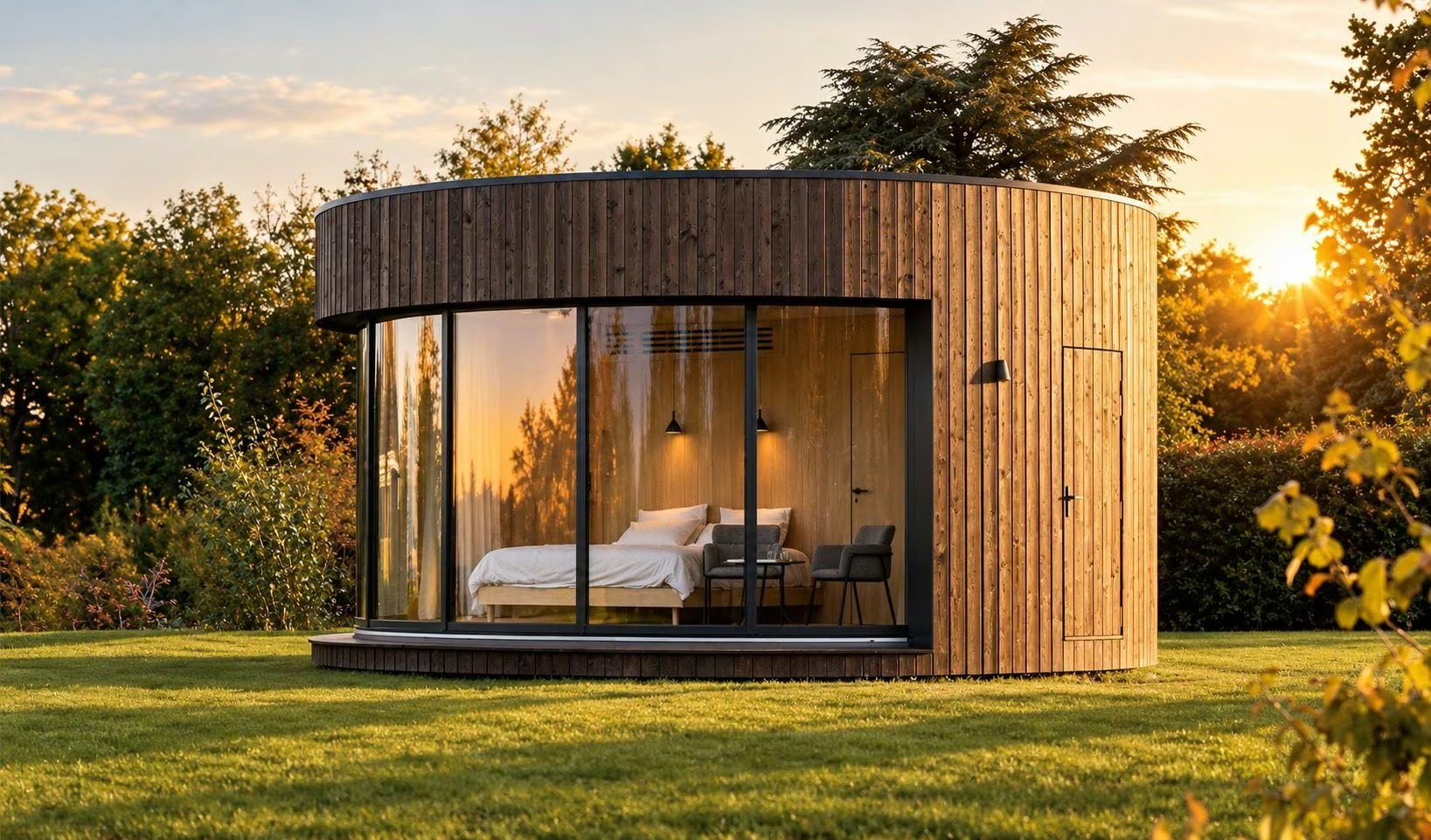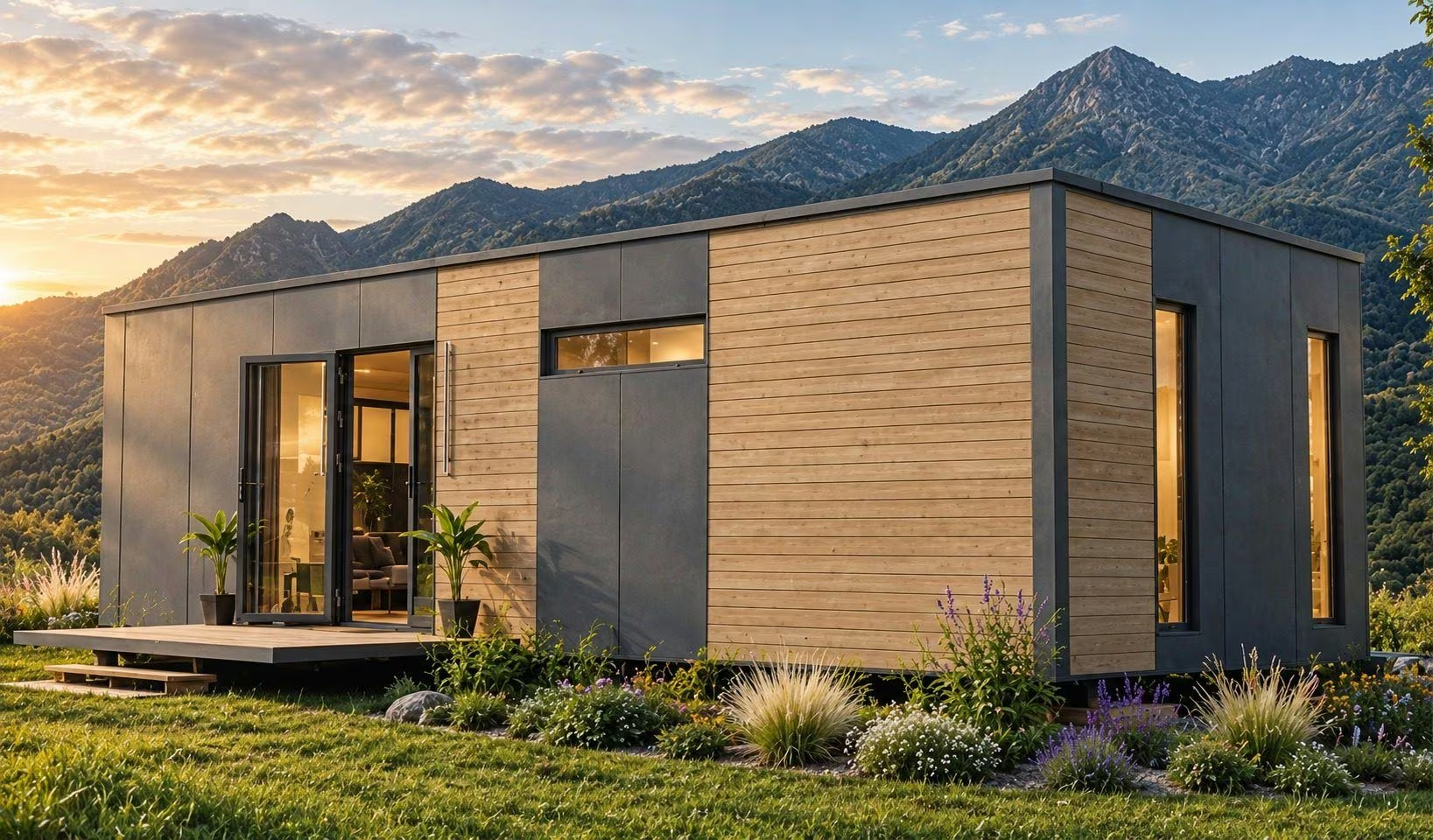
A single modular accommodation unit and a fleet of several modular accommodation units don't raise exactly the same maintenance question. As soon as an outdoor hospitality operator deploys several units on the same site, maintenance becomes a question of organisation at the scale of the whole fleet, not just a single home.
Understanding the topic
In outdoor hospitality in general, maintaining a fleet of accommodation units covers different kinds of work: some are corrective, fixing a fault found during the season, others are more preventive, such as checking sewage and plumbing networks, servicing automatic watering systems, or de-winterising installations before the cold season. Preparing the site ahead of peak season, in particular bringing accommodation units back into service after winter, is one of the most commonly cited tasks in the sector's professional training references.
For a NÖMA accommodation unit, part of this preventive maintenance is already covered by commitments documented from delivery: a 10-year structural warranty on the steel structure and main welds against manufacturing defects, a 5-year weatherproofing warranty on the roof, walls and exterior joinery against water infiltration, and a 3-year fittings warranty on the electrical and plumbing installations against any malfunction. Every module also undergoes quality control in the factory before shipping. The full detail of these warranties is available on our Trust page and is covered in a dedicated article on what the warranties of a modular home cover.
Deep exploration
Beyond the warranties, the materials themselves are chosen to limit routine upkeep over time: corrosion-treated galvanised steel, class 3 or 4 treated timber cladding resistant to UV and weather, and thermolacquered aluminium joinery. A maintenance guide is handed over with every accommodation unit at delivery. Across a fleet of several units, this means the baseline upkeep of each unit stays comparable from one to the next, which simplifies planning compared with a fleet made up of mixed, heterogeneous construction types.
Operating a fleet does, however, add a layer specific to managing several units: a warranty calendar per accommodation unit, since each one may be delivered on a different date, a central record of the maintenance guides handed over at delivery, and tracking of seasonal deadlines (de-winterising, checking connections, inspecting outdoor equipment) generally recommended across the outdoor hospitality sector. NÖMA, for its part, provides lifetime technical support and a dedicated point of contact for professional projects, from the initial study through to delivery.
Practical guidance
In practice, professional maintenance references in outdoor hospitality keep coming back to a few simple habits: bringing accommodation units back into service before each peak season rather than reacting to a breakdown, de-winterising frost-sensitive installations before the cold season, and tracking the condition of shared outdoor equipment, such as play areas, over time. These general, sector-wide principles apply to any fleet of accommodation units, whichever manufacturer built them.
NÖMA does not currently publish a dedicated, priced maintenance programme specific to operating a fleet of several accommodation units (a contractual service frequency or the cost of a multi-unit maintenance agreement, for example): this information is not publicly available at this time, and we'd rather say so plainly than state it by extrapolation. Operators considering a multi-unit project can speak directly with our outdoor hospitality team to assess their site's specific needs.
Architectural perspective
Maintaining a fleet of accommodation units starts with recognising that maintenance isn't improvised once several units are involved: it has to be planned, just as deliberately as the design itself.