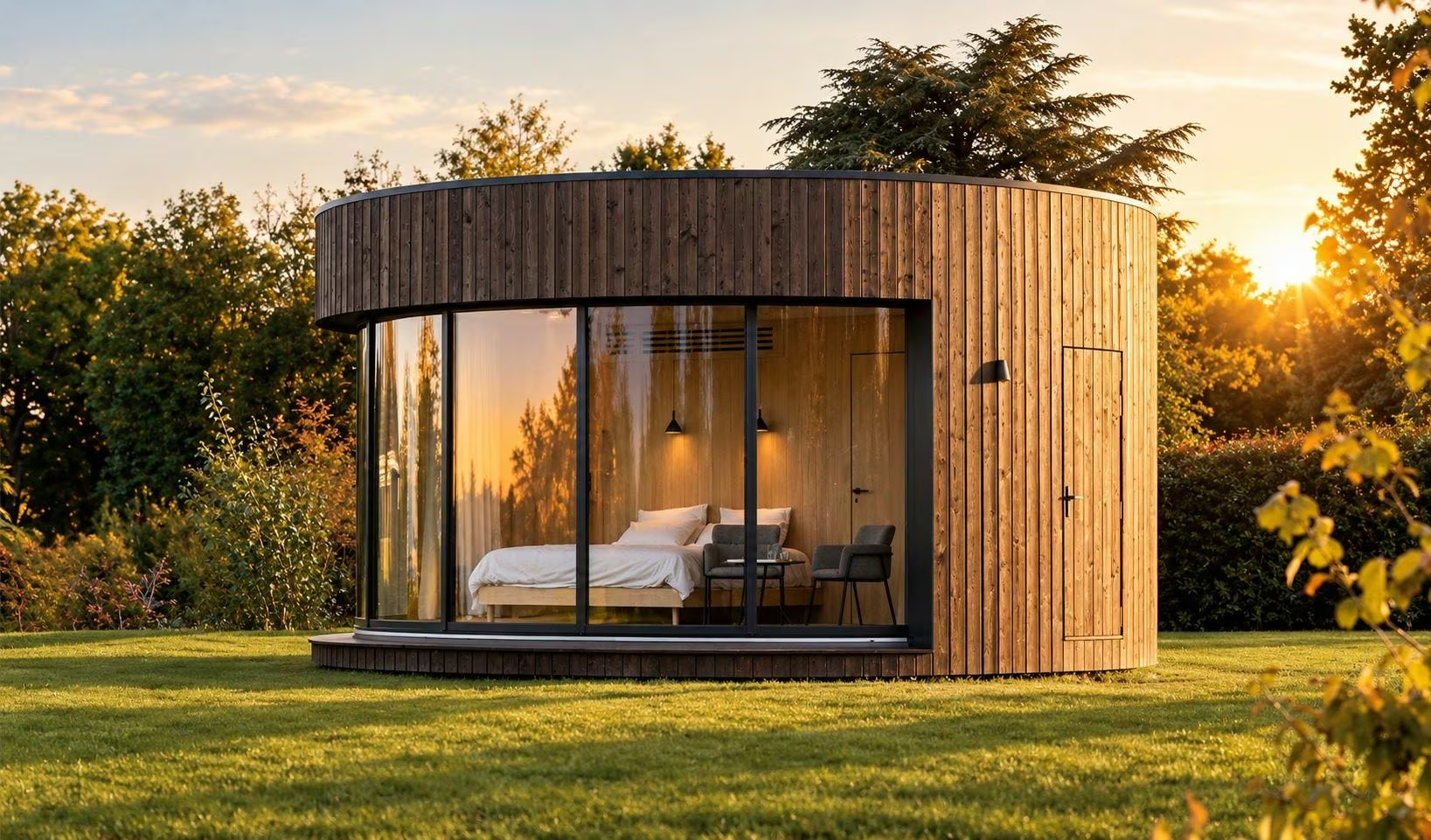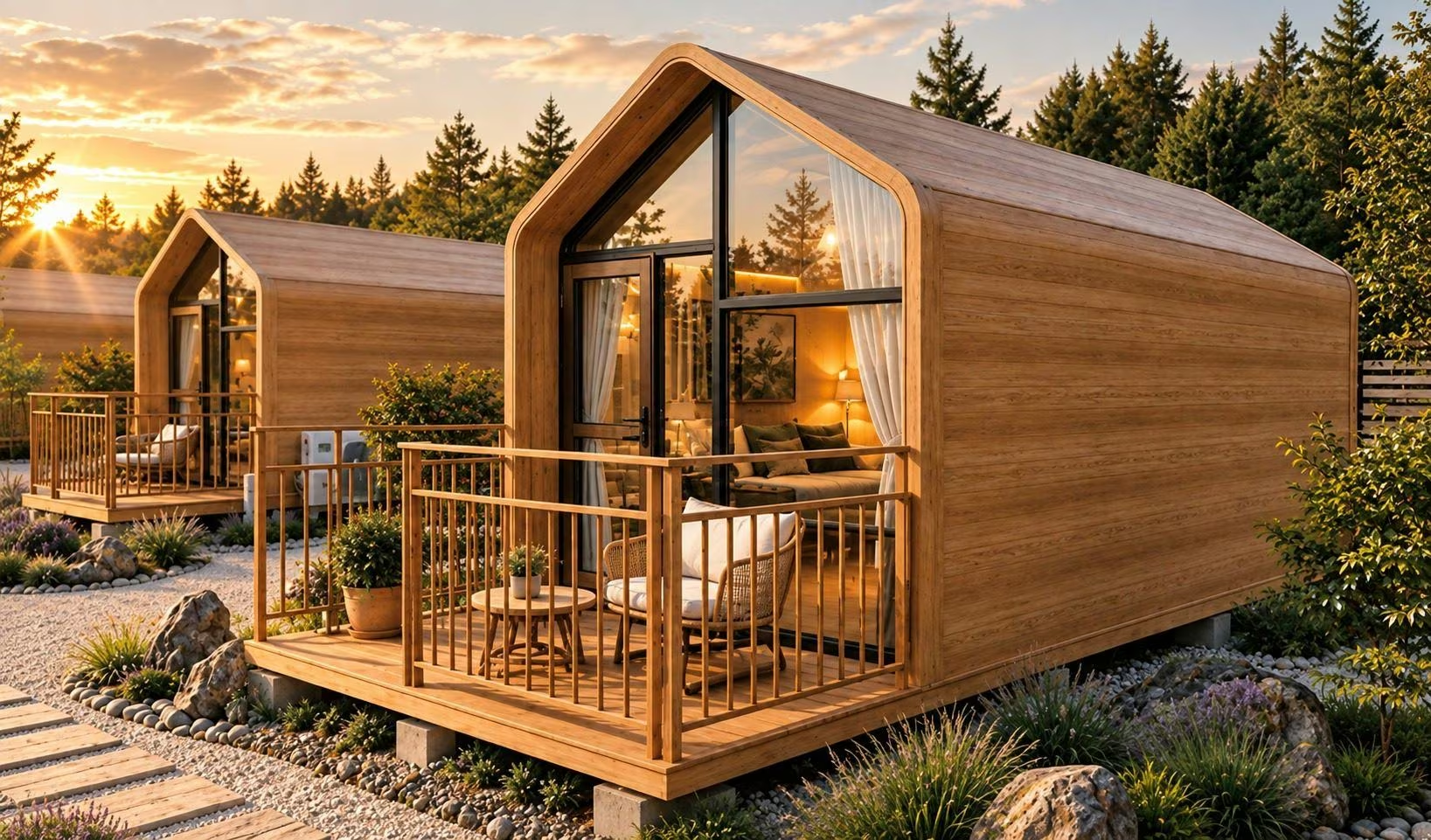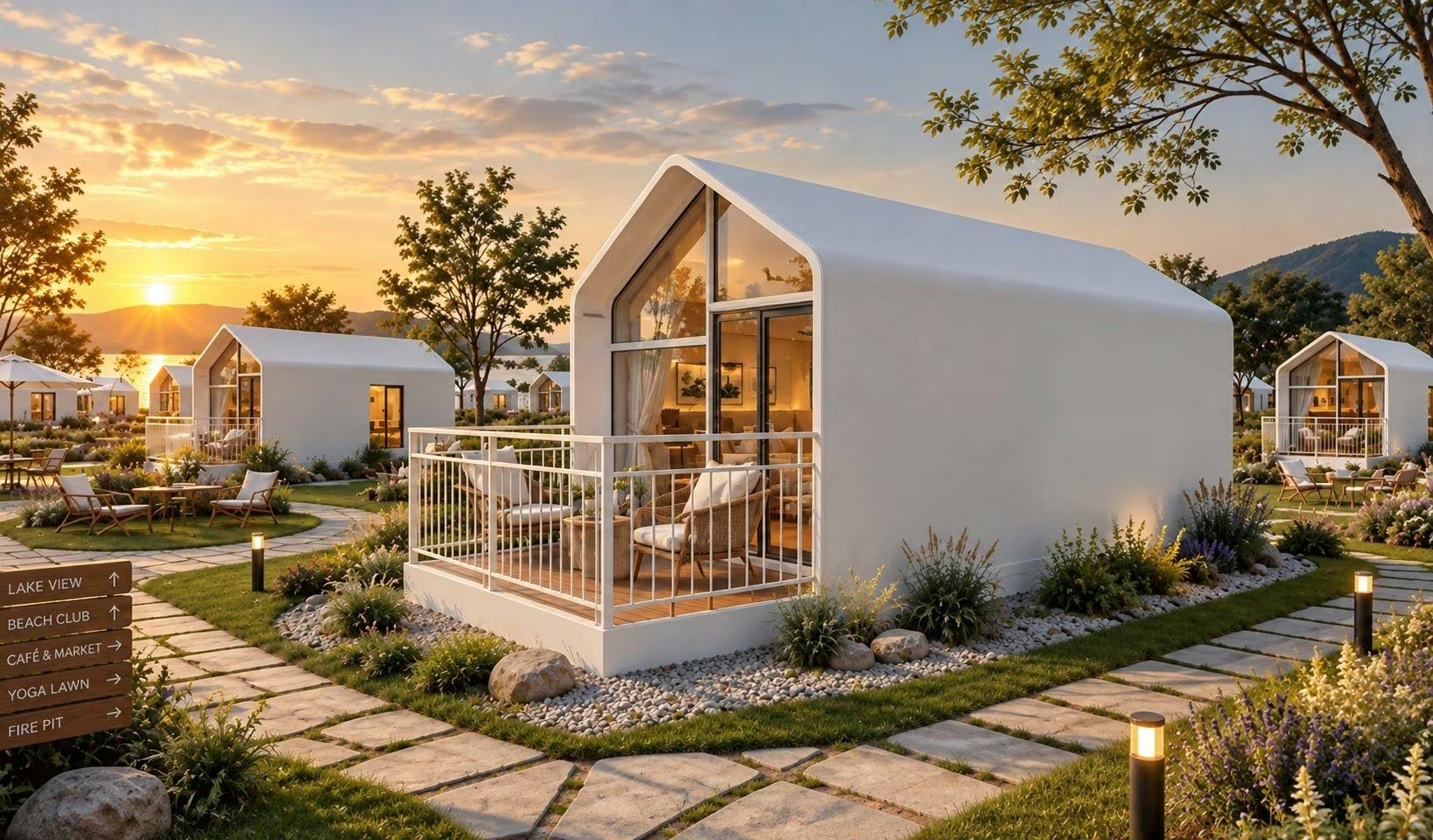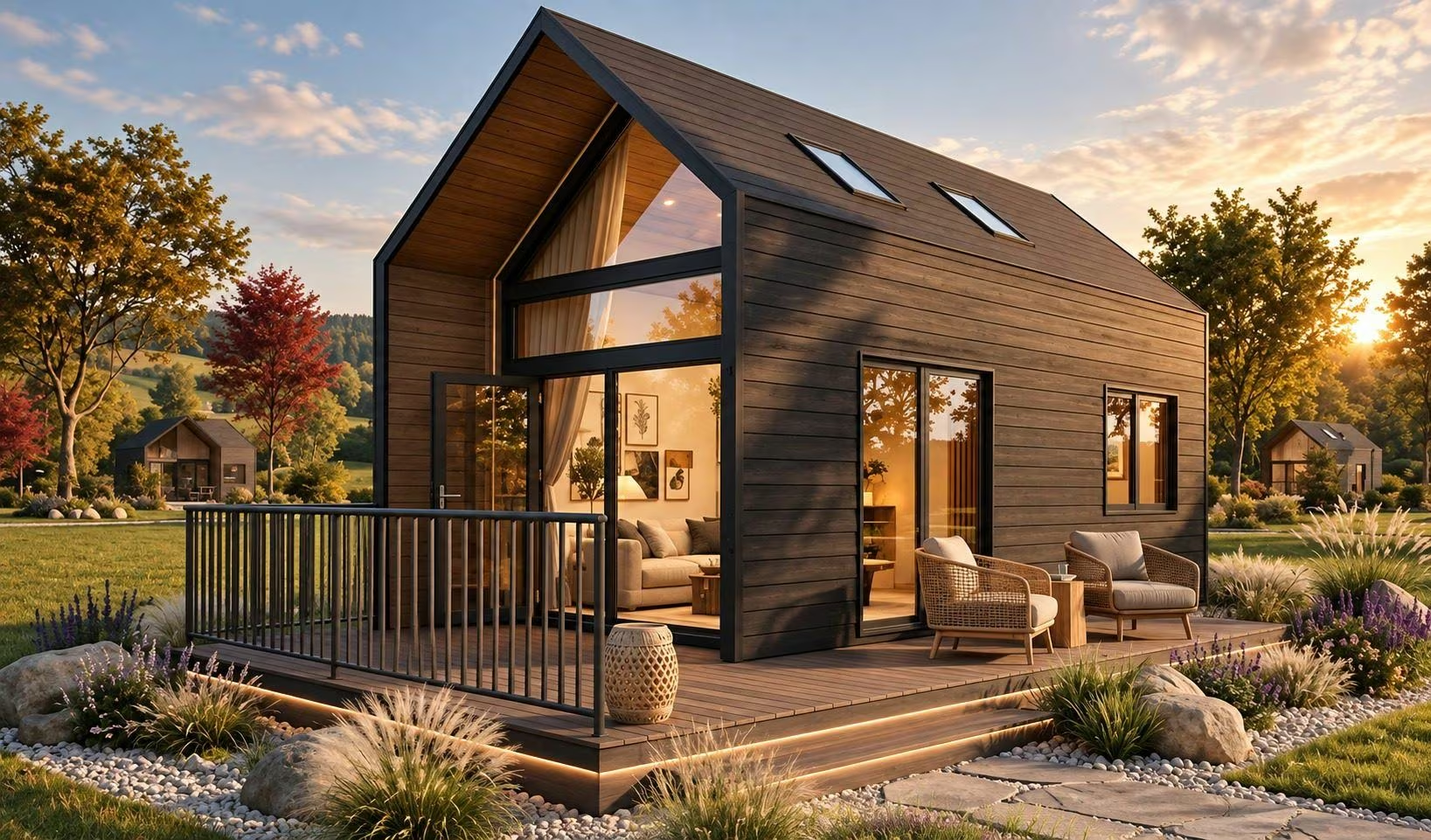
Living in a tiny house year-round is a different experience from spending a weekend or a single rental season in one. What changes isn't the floor area itself, but how you actually inhabit it day after day: every habit, from storage to the rhythm of the seasons, needs to be designed to last, not just to impress on a first visit.
Understanding the topic
On a strictly functional level, a tiny house lived in year-round rests on the same baseline as any home: a complete structure, insulation, indoor electricity and plumbing installed and working, a fitted kitchen, a fitted bathroom and a water heater. At NÖMA, this habitable baseline is included at no extra cost across the entire Tiny collection, so it doesn't need to be added afterwards for the home to be genuinely liveable.
What actually changes day to day, then, isn't the baseline habitability, it's the discipline it requires. In a compact space, every object that comes in needs a planned place, and the same zone may need to serve cooking, working and sleeping at different times of day. Over time, this constant reorganisation becomes a habit rather than a constraint, but it does take a real adjustment period at the start.
Deep exploration
On storage, interior design professionals point to general principles that apply just as well to a tiny house: make use of available height (high shelving, storage above doorways) rather than relying on floor area alone, favour furniture that serves several functions (an entryway bench with built-in storage, for instance) over single-purpose pieces, and keep storage genuinely organised rather than letting visible clutter build up, a factor that affects perceived comfort as much as the actual functionality of a small space.
On the thermal side, the general principles documented for housing, whatever its size, still hold in winter: around ten minutes of daily airing remains necessary even in cold weather to renew the air and remove excess humidity, a living-space temperature of around 19 degrees is generally enough for comfort, and each degree lower cuts heating use by roughly 7%. In a compact home, these same principles play out across a surface that heat moves through more quickly, which makes how responsive the heating system is feel more noticeable day to day.
In summer, comfort depends less on floor area than on managing solar gain and ventilation: shading openings from the outside (shutters, blinds) limits heat building up before it reaches the walls, and cross-ventilating in the evening helps release the heat stored during the day. At NÖMA, heating and air conditioning are included on the Span and Pod models; for the rest of the Tiny range, this isn't publicly documented at this time, so it's best to check the relevant model page directly rather than assume the same answer applies everywhere.
Practical guidance
A genuine account from a NÖMA owner, with its concrete detail and its share of subjectivity, would add something these general principles don't fully replace. That information isn't publicly available at this time: rather than fabricate one or imply one indirectly, we'd rather say so plainly, and invite you to ask NÖMA directly if this matters to you before committing.
Before moving in year-round, a few points are worth clarifying upfront rather than discovering afterwards: how much storage you'll genuinely need once everyday belongings are sorted, whether the model you're considering documents heating and air conditioning as included or not, and the regulation that applies to your land for a year-round installation, which depends on how long the home will be installed and its floor area, a point covered in our guide to starting a tiny house project.
Architectural perspective
A tiny house doesn't become easier to live in simply because it's smaller: it becomes liveable because every layout choice and every season has been anticipated before moving in, not discovered once the keys are in hand.